
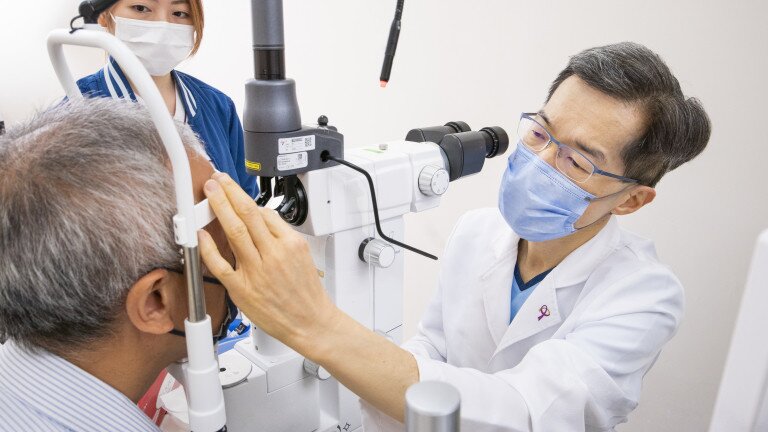
An ophthalmologist is a medical professional who focuses on the analysis, treatment, and prevention of eye diseases and vision disorders. In a world where digital screens are part of daily life and eye strain is increasingly common, benefit of professional eye care hasn’t been greater 激光矯視. Ophthalmologists play an important role in maintaining visual health and helping people preserve one of their most essential sensory faculties.
Unlike general eye care providers, an ophthalmologist is trained to manage both routine vision problems and complex eye conditions. Their expertise covers medical, precise, and optical facets of eye health, making them an essential the main healthcare system.
What an Ophthalmologist Does
The responsibilities of an ophthalmologist extend far beyond prescribing glasses or contact lenses. These specialists are trained to detect a wide range of eye conditions, including cataracts, glaucoma, retinal disorders, and corneal diseases. They also manage injuries and infections that affect the eyes.
One of the key roles of an ophthalmologist is performing comprehensive eye examinations. These tests help detect early signs of disease, even before symptoms become noticeable. Early prognosis is very important in preventing vision loss and ensuring effective treatment.
In addition to analysis, ophthalmologists provide procedures such as medications and treatments. They also perform surgeries when necessary, including corrective operations and advanced microsurgical techniques that restore or improve vision.
Benefit of Eye Health in Daily life
Vision plays a central role in virtually every area of daily life. From reading and driving to working and communicating, clear eyesight is essential for independence and productivity. An ophthalmologist helps to ensure that this vital sense is protected and maintained within a person’s life.
Many eye conditions develop gradually and may not show obvious symptoms in the first stages. Regular visits to an ophthalmologist can help identify these issues before they become serious. This aggressive approach is very important for those that have risk factors such as diabetes, high blood pressure, or a genealogy and family history of eye disease.
In today’s digital age, prolonged screen exposure in addition has increased the prevalence of eye strain and discomfort. Ophthalmologists provide assistance with managing these issues and maintaining healthy vision habits.
Common Conditions Treated by Ophthalmologists
An ophthalmologist is trained to manage a wide range of eye conditions, from minor issues to complex diseases. Probably the most common conditions include refractive errors, which affect how light is focused in the eye. These include nearsightedness, farsightedness, and astigmatism.
Cataracts are another frequent condition, particularly among older adults. This occurs when the lens of the eye becomes dark, leading to blurred vision. Ophthalmologists perform operations to remove cataracts and restore clear view.
Glaucoma is a serious condition that involves damage to the optic neurological, often caused by increased pressure in the eye. Without proper treatment, it can lead to permanent vision loss. Early prognosis by an ophthalmologist is essential for managing this disease.
Retinal disorders, such as macular deterioration and diabetic retinopathy, are also treated by ophthalmologists. These conditions affect the trunk of the eye and can significantly impact vision if not addressed promptly.
The training and Expertise of an Ophthalmologist
Becoming an ophthalmologist requires extensive education and training. After completing medical school, aspiring specialists undergo additional years of residency focused specifically on eye care and surgery. This rigorous training equips them with the skills needed to handle a wide variety of eye conditions.
Ophthalmologists must also stay updated with advancements in medical technology and treatment procedures. Continuous learning is an important part of their profession, as eye care is a rapidly growing field.
Their expertise allows them to combine medical knowledge with precise precision, ensuring comprehensive care for patients with diverse needs.
The Role of Technology in Modern Eye Care
Technology has significantly transformed the work of an ophthalmologist. Advanced diagnostic tools now allow for highly detailed imaging of the eye, enabling early prognosis of diseases that were once difficult to name.
Laser technology is normally used in eye operations, offering precise and minimally intrusive treatment plans. Procedures such as laser vision a static correction and retinal repair have become more effective and safer due to these advancements.
Digital tools also help ophthalmologists monitor patient progress and manage treatment plans more efficiently. This integration of technology enhances both accuracy and patient outcomes.
Preventive Eye Care and Regular Examinations
Preventive care is a key area of ophthalmology. Regular visits to an ophthalmologist can help detect potential issues before they become serious conditions. This is especially important for individuals at higher risk of eye disease.
Routine eye examinations typically include vision tests, pressure measurements, and detailed examinations of the eye structure. These tests provide a comprehensive summary of eye health.
Preventive care also involves education. Ophthalmologists often advise patients on what to protect their eyes from strain, injury, and environmental factors. Simple habits such as taking breaks from screens and wearing protective eye wear can make a significant difference.
Pediatric Ophthalmology and Children’s Vision
Eye care is not limited to adults. Children also require specialized awareness of ensure proper visual development. A ophthalmologist who works together with pediatric patients focuses on the diagnosis of and treating eye conditions in children.
Early prognosis of vision problems in children is essential, as neglected issues can impact learning and development. Conditions such as lazy eye or misalignment of the eyes is often fixed if identified early.
Pediatric ophthalmology ensures that children have perfect visual foundation for growth and education.
The future of Ophthalmology
The future of ophthalmology is formed by continuous innovation. Emerging technologies such as artificial brains, advanced imaging systems, and regenerative medicine are expected to help expand improve the capabilities of an ophthalmologist.
Research into gene therapy and originate cell treatments also holds promise for treating previously incurable eye diseases. These advancements may revolutionize how vision disorders are managed in the future.
As healthcare continues to change, ophthalmologists will remain at the front of efforts to preserve and restore vision.
Conclusion on the Incredible importance of Ophthalmologists
An ophthalmologist plays a vital role in protecting and improving vision through expert health care bills, advanced technology, and preventive strategies. Their work ensures that individuals of all ages can maintain healthy eyesight and address eye conditions effectively.
From routine examinations to complex surgeries, ophthalmologists provide comprehensive care that supports overall quality lifestyle. As knowing of eye health continues to grow, their importance in the healthcare system becomes even more significant.